

Groundbreaking research
The Shoe Effect.
A landmark study into how footwear shapes foot health, mobility and movement – real data from over 1,000 people with very different footwear habits.

What we found
Key findings.
Clear patterns between footwear habits and foot health. Here is what we can share so far.
of daily conventional-shoe wearers had less natural toe splay than minimal-footwear wearers.
in conventional-shoe wearers compared with people who spend lots of time barefoot or in minimal shoes.
of the conventionally-shod group reported recurring foot, knee or lower back pain.
average toe width lost in narrow toe-box shoes – a direct driver of bunions and toe deformity.
Partial findings from the Sri Lanka dataset. The full study is being prepared for publication.
What this means for you
Give your toes room again.
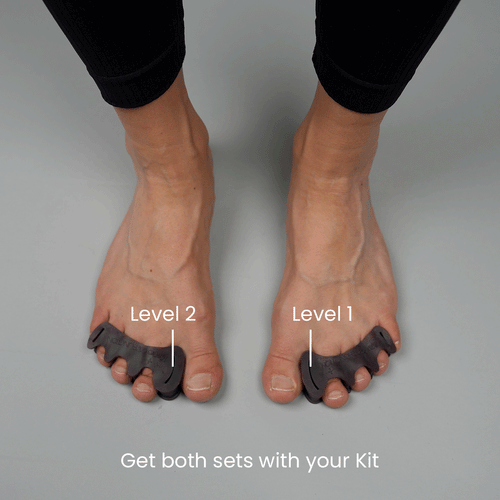
Narrow shoes squeeze the toes and switch the foot off. You can start undoing it at home, a few minutes a day.

About the study
What is The Shoe Effect?
It started with a simple question: what does footwear actually do to the human foot over time? Not theory – real-world data from real people.
Most research blamed foot problems on genetics. Together with Wyde Footwear, using Volumental 3D scanning and plantar pressure analysis, we measured how footwear and lifestyle shape foot function.
“We are not following the industry – we are rewriting it. It is time to expose what the shoe and medical industries got wrong, and teach the world how feet really work.”My Foot Function
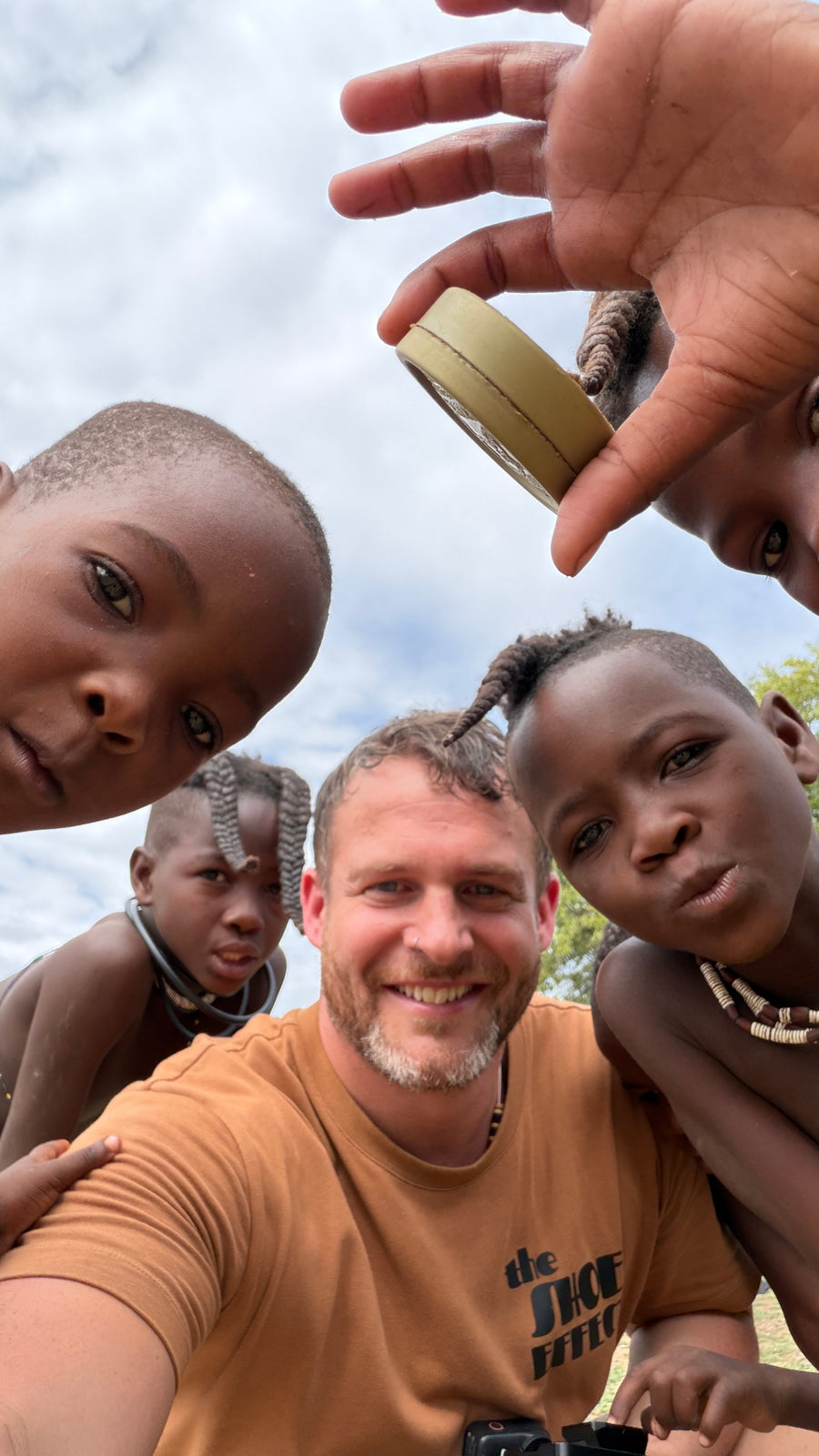
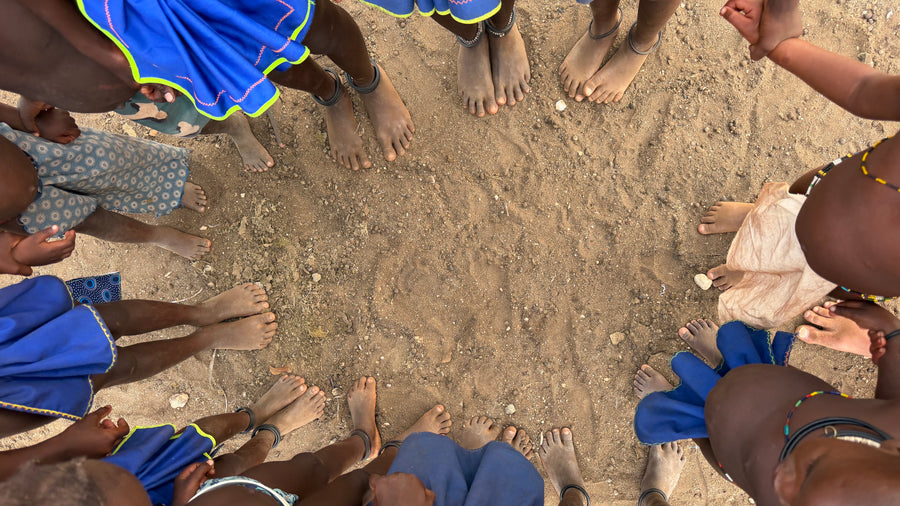

Real research · Real people · Real feet
How we did it
The method.
3D foot scanning
Volumental scans measured arch height, toe spread, width and alignment to the millimetre.
Pressure mapping
Our PedesPlate showed how weight spreads across each foot – revealing overload and compensation.
Questionnaires
Footwear history, pain, activity and barefoot time gave context to every scan.
The journey
From Göteborg to the world.
The idea takes shape
MFF and Wyde Footwear design the study and team up with Volumental.
Planning & designGöteborg pilots
Two pilot studies (100 + 50 people) made the method watertight.
150 participantsSri Lanka
The main study – a population with very different footwear habits, in 35°C heat.
800+ participantsSouth Africa
Comparing city, rural and hunter-gatherer communities: how does modern life change the foot?
April 2026Questions
Frequently asked.
What makes The Shoe Effect different from previous foot research?
Most previous studies attributed foot deformities to genetics. The Shoe Effect is one of the first large-scale studies to provide evidence-based data on how lifestyle and footwear habits – not genetics – drive foot dysfunction over time. We used 3D scanning and pressure analysis at a scale rarely attempted in this field.
When will the full findings be published?
The full study is currently being prepared for publication. We will announce the release across our channels.
How does the research influence MFF products and education?
Everything at MFF is shaped by what the data shows. Our courses, programmes and product recommendations are built on the real-world findings from The Shoe Effect – not industry convention.
Will there be more studies after South Africa?
Yes. We are continuously researching footwear, movement and foot function. Each study builds on the last – our goal is the most comprehensive dataset on human foot health ever assembled.
Can I take part in a future study?
Yes – we are always looking for participants and partners. Use the form below and we will be in touch.
Get involved
Be part of the next study.
Want to take part in future research, or partner with us as a company? Tell us a little about yourself and we will reply within 48 hours.
- Full 3D foot scan and pressure analysis
- Personal foot health report
- Early access to study findings
- For companies: co-branded research and dataset insights